
ภาวะเจ็บหน้าอก สาเหตุที่ควรรู้และสัญญาณอันตราย
อาการ เจ็บหน้าอก (Chest pain) เป็นอาการที่สามารถเกิดขึ้นได้กับคนทุกช่วงวัย และอาจเกิดจากโรคหรือภาวะผิดปกติได้หลายระบบ ไม่ว่าจะเป็นหัวใจและหลอดเลือด ระบบทางเดินหายใจ ระบบทางเดินอาหาร กล้ามเนื้อและกระดูก หรือแม้แต่ปัจจัยทางด้านจิตใจ
แม้ว่าอาการเจ็บหน้าอกในหลายกรณีอาจไม่ได้เกิดจากโรคร้ายแรง แต่มีโร
คบางชนิดที่อาจเป็นอันตรายถึงชีวิตและจำเป็นต้องได้รับการประเมินและรักษาอย่างเร่งด่วน
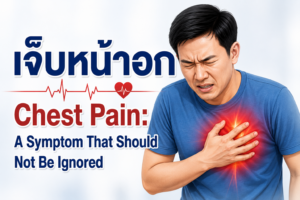
1. หลอดเลือดหัวใจตีบ กล้ามเนื้อหัวใจขาดเลือด Acute Coronary Syndrome (ACS) / Coronary Artery Disease
หนึ่งในสาเหตุที่สำคัญและอันตรายของอาการเจ็บหน้าอกคือ Acute Coronary Syndrome (ACS) ซึ่งเกิดจากเลือดไปเลี้ยงกล้ามเนื้อหัวใจไม่เพียงพอ โดยมักเกิดจากหลอดเลือดหัวใจตีบหรือมีลิ่มเลือดอุดตันภายในหลอดเลือดหัวใจ
ผู้ป่วยอาจมีอาการแน่นหน้าอก บีบรัด หรือหนักบริเวณกลางหน้าอก อาการอาจร้าวไปยังแขนข้างใดข้างหนึ่งหรือทั้งสองข้าง ไหล่ คอ ขากรรไกร หรือหลัง และอาจมีอาการร่วม เช่น เหงื่อออกมาก คลื่นไส้ หายใจไม่อิ่ม หน้ามืด หรืออ่อนเพลีย
อาการของผู้หญิง ผู้สูงอายุ และผู้ป่วยเบาหวานอาจไม่ชัดเจน และบางรายอาจมีเพียงเหนื่อยง่าย คลื่นไส้ หรือไม่สบายบริเวณหน้าอกโดยไม่มีอาการเจ็บหน้าอกที่ชัดเจน
2. ภาวะผนังหลอดเลือดแดงใหญ่ฉีกขาด Aortic Dissection
Aortic dissection หรือภาวะผนังหลอดเลือดแดงใหญ่ฉีกขาด เป็นภาวะฉุกเฉินที่มีความรุนแรงสูง
ลักษณะเด่นคืออาจมีอาการ เจ็บหน้าอกอย่างรุนแรงและเกิดขึ้นทันทีทันใด โดยผู้ป่วยบางรายอธิบายว่าเป็นความรู้สึกเหมือนถูกฉีกหรือฉีกขาดภายในหน้าอก และอาการอาจร้าวไปบริเวณหลัง โดยเฉพาะระหว่างสะบัก
ผู้ป่วยอาจมีอาการร่วม เช่น หน้ามืด หมดสติ หายใจลำบาก หรือมีความผิดปกติของชีพจรและความดันโลหิตระหว่างแขนสองข้าง
3. ลิ่มเลือดอุดตันในปอด Pulmonary Embolism (PE)
Pulmonary embolism คือภาวะที่ลิ่มเลือด โดยส่วนใหญ่มักเกิดจากหลอดเลือดดำส่วนลึกที่ขา หลุดไปอุดตันหลอดเลือดในปอด ซึ่งอาจเป็นภาวะที่รุนแรงและเป็นอันตรายถึงชีวิตได้
อาการที่พบได้ ได้แก่ หายใจลำบากหรือหอบเหนื่อยอย่างเฉียบพลัน เจ็บหน้าอก โดยเฉพาะเจ็บมากขึ้นเมื่อหายใจเข้าลึก ๆ หรือไอ หัวใจเต้นเร็ว และอาจมีอาการไอหรือไอเป็นเลือด
ผู้ป่วยบางรายอาจมีอาการร่วมของภาวะลิ่มเลือดอุดตันที่ขา เช่น ขาข้างหนึ่งบวม ปวด ตึง หรือมีอาการกดเจ็บบริเวณน่อง
ในกรณีที่ลิ่มเลือดมีขนาดใหญ่ ผู้ป่วยอาจมีความดันโลหิตต่ำ หน้ามืด หมดสติ หรือเกิดภาวะช็อกได้
4. ภาวะลมรั่วในปอด Pneumothorax
Pneumothorax หรือภาวะลมรั่วในช่องเยื่อหุ้มปอด เกิดจากมีอากาศเข้าไปสะสมในช่องเยื่อหุ้มปอด ทำให้ปอดบางส่วนหรือทั้งหมดแฟบลง
ผู้ป่วยมักมีอาการ เจ็บหน้าอกอย่างเฉียบพลัน หายใจลำบาก หรือรู้สึกหายใจไม่เต็มปอด อาการมักเกิดขึ้นข้างเดียว และอาจเกิดขึ้นหลังได้รับอุบัติเหตุ หรือเกิดขึ้นเองโดยไม่มีอุบัติเหตุได้
หากเป็น tension pneumothorax อาจทำให้ความดันโลหิตลดลง หัวใจเต้นเร็ว หายใจลำบากอย่างรุนแรง และเป็นภาวะฉุกเฉินที่ต้องได้รับการรักษาทันที
5. เยื่อหุ้มปอดอักเสบ Pleuritis / Pleurisy
Pleuritis หรือ pleurisy คือการอักเสบของเยื่อหุ้มปอด อาจเกิดจากการติดเชื้อไวรัสหรือแบคทีเรีย ปอดบวม หรือสาเหตุอื่น ๆ
อาการมักเป็น อาการเจ็บหน้าอกแบบแปลบ ๆ และเจ็บมากขึ้นเมื่อหายใจเข้าลึก ๆ ไอ หรือจาม
6. กรดไหลย้อน Gastroesophageal Reflux Disease (GERD)
อาการเจ็บหน้าอกไม่ได้เกิดจากโรคหัวใจเสมอไป โรคทางระบบทางเดินอาหาร เช่น Gastroesophageal Reflux Disease (GERD) หรือกรดไหลย้อน ก็สามารถทำให้เกิดอาการคล้ายเจ็บหน้าอกได้
ผู้ป่วยมักรู้สึก แสบร้อนบริเวณกลางหน้าอกหรือบริเวณลิ้นปี่ อาการอาจเกิดหลังรับประทานอาหาร โดยเฉพาะอาหารมื้อใหญ่ หรือเมื่อเอนตัวหรือนอนลง และอาจมีอาการเรอเปรี้ยวหรือมีรสเปรี้ยวไหลย้อนขึ้นมาที่คอร่วมด้วย
7. ซี่โครงอ่อนอักเสบ หรือภาวะกล้ามเนื้อหน้าอกอักเสบ Costochondritis and Musculoskeletal Chest Pain
Costochondritis คือการอักเสบของบริเวณกระดูกอ่อนที่เชื่อมระหว่างซี่โครงกับกระดูกหน้าอก ทำให้เกิดอาการเจ็บบริเวณหน้าอก ซึ่งอาจชัดเจนขึ้นเมื่อกดบริเวณที่เจ็บ ขยับตัว หรือหายใจลึก ๆ
นอกจากนี้ อาการเจ็บหน้าอกอาจเกิดจาก กล้ามเนื้อหน้าอกอักเสบหรือกล้ามเนื้อบริเวณทรวงอกได้รับบาดเจ็บ เช่น หลังออกกำลังกาย ยกของหนัก ไออย่างรุนแรง หรือใช้งานกล้ามเนื้อมากเกินไป
8. ภาวะวิตกกังวลหรือแพนิค
ปัจจัยทางด้านจิตใจก็สามารถทำให้เกิดอาการเจ็บหรือแน่นหน้าอกได้ เช่น Anxiety หรือ Panic Attack
ผู้ป่วยอาจมีอาการแน่นหน้าอก หายใจไม่อิ่ม ใจสั่น หายใจเร็ว มือสั่น เหงื่อออก เวียนศีรษะ หรือมีความรู้สึกกลัวอย่างรุนแรงและฉับพลัน
อย่างไรก็ตาม ไม่ควรสรุปว่าอาการเจ็บหน้าอกเกิดจากความวิตกกังวลเพียงอย่างเดียว โดยเฉพาะเมื่อเป็นอาการครั้งแรกหรือมีอาการผิดปกติอื่นร่วมด้วย ควรได้รับการประเมินเพื่อ排除สาเหตุทางกายที่อาจเป็นอันตรายก่อน
อาการเจ็บหน้าอกที่มีลักษณะต่อไปนี้ควรได้รับการประเมินทางการแพทย์โดยเร็ว:
- เจ็บหน้าอกรุนแรง หรือเกิดขึ้นอย่างเฉียบพลัน
- แน่นหรือบีบรัดกลางหน้าอก และไม่ดีขึ้น
- อาการเจ็บร้าวไปแขน ไหล่ คอ ขากรรไกร หรือหลัง
- หายใจลำบากหรือหอบเหนื่อยอย่างเฉียบพลัน
- เหงื่อออกมาก คลื่นไส้ หรือหน้ามืด
- ใจเต้นเร็วผิดปกติ หรือหมดสติ
- ไอเป็นเลือด
- มีอาการขาบวมและปวดข้างเดียวร่วมกับหายใจลำบากหรือเจ็บหน้าอก
- มีอาการเจ็บหน้าอกอย่างรุนแรงร่วมกับอาการปวดร้าวไปหลัง
สรุป
อาการเจ็บหน้าอกมีสาเหตุได้หลากหลาย ตั้งแต่ภาวะที่ไม่รุนแรง เช่น กล้ามเนื้ออักเสบ กรดไหลย้อน หรือความวิตกกังวล ไปจนถึงภาวะฉุกเฉินที่อาจเป็นอันตรายถึงชีวิต เช่น Acute Coronary Syndrome, Aortic Dissection, Pulmonary Embolism และ Tension Pneumothorax
ดังนั้น การประเมินอาการเจ็บหน้าอกไม่ควรพิจารณาจากลักษณะอาการเพียงอย่างเดียว แต่ควรพิจารณาร่วมกับอายุ ปัจจัยเสี่ยง โรคประจำตัว อาการร่วม และผลการตรวจทางการแพทย์ที่เหมาะสม
หากมีอาการเจ็บหน้าอกที่รุนแรง เกิดขึ้นใหม่ หรือมีอาการหายใจลำบาก หน้ามืด หมดสติ หรืออาการผิดปกติอื่นร่วมด้วย ควรรีบเข้ารับการประเมินที่โรงพยาบาลทันที
Chest pain is a common symptom that can occur at any age and may have many different causes. Some causes are relatively minor, such as acid reflux, muscle strain, or anxiety. However, others can be serious and potentially life-threatening.
For this reason, chest pain should not be ignored or self-diagnosed, particularly in people with risk factors such as older age, smoking, diabetes, high blood pressure, high cholesterol, or a history of cardiovascular disease.
Serious and Life-Threatening Causes
1. Acute Coronary Syndrome (ACS)
One of the most important and potentially dangerous causes of chest pain is Acute Coronary Syndrome (ACS).
ACS occurs when the heart muscle does not receive enough blood and oxygen, usually because of narrowing or blockage of a coronary artery.
Patients may describe the pain as pressure, tightness, heaviness, squeezing, or discomfort in the center of the chest. The pain may radiate to the arm, shoulder, neck, jaw, or back.
Other associated symptoms may include shortness of breath, cold sweating, nausea, vomiting, dizziness, or palpitations.
In some patients, particularly older adults, people with diabetes, and women, the symptoms may be less typical. They may experience unexplained fatigue, shortness of breath, nausea, or general weakness without significant chest pain.
2. Aortic Dissection
Aortic dissection is a medical emergency caused by a tear in the inner layer of the aorta, the body’s main artery.
A typical presentation is sudden and severe chest pain, often described as tearing, ripping, or splitting in character. The pain may radiate to the back, particularly between the shoulder blades.
Other symptoms may include dizziness, fainting, shortness of breath, weakness or numbness of an arm or leg, or differences in blood pressure or pulse between the two arms.
3. Pulmonary Embolism (PE)
A pulmonary embolism occurs when a blood clot, usually originating from a deep vein in the leg, travels to the lungs and blocks a pulmonary artery.
Common symptoms include sudden shortness of breath, chest pain that may become worse with deep breathing or coughing, rapid heartbeat, and a feeling of anxiety or restlessness.
Some patients may develop coughing or coughing up blood (hemoptysis).
A large pulmonary embolism can cause severe breathing difficulty, low blood pressure, dizziness, fainting, or acute right-sided heart failure and can be life-threatening.
The risk is increased in people who have recently undergone surgery, prolonged bed rest or immobility, long-distance travel, a previous history of blood clots, or certain medical conditions that increase the risk of thrombosis.
4. Pneumothorax
A pneumothorax, or collapsed lung, occurs when air enters the pleural space surrounding the lung.
Patients commonly experience sudden chest pain and shortness of breath. The pain is often more prominent on one side of the chest and may develop abruptly.
A severe form called tension pneumothorax can cause severe respiratory distress, low blood pressure, rapid heart rate, and cardiovascular collapse. It is a life-threatening emergency requiring immediate treatment.
5. Pleuritis / Pleurisy
Pleuritis, or inflammation of the pleura, can cause sharp chest pain that becomes worse with deep breathing or coughing.
It may occur together with fever, cough, or other symptoms of respiratory infection, depending on the underlying cause.
Other Common Causes of Chest Pain
6. Gastroesophageal Reflux Disease (GERD)
Gastroesophageal reflux disease (GERD) occurs when stomach acid flows back into the esophagus and causes irritation.
Patients may experience a burning sensation in the center of the chest, commonly known as heartburn. Symptoms may become worse after meals, after lying down, or after eating a large meal.
Other symptoms may include acid or bitter taste in the mouth, belching, or a sensation of food or acid coming back up into the throat.
However, GERD can sometimes cause symptoms similar to those of heart disease. Therefore, new or unexplained chest pain should not automatically be attributed to acid reflux, particularly in patients with cardiovascular risk factors.
7. Costochondritis
Costochondritis is inflammation of the cartilage where the ribs connect to the breastbone.
It may cause localized chest pain and tenderness. The pain can become worse with movement, deep breathing, or pressure over the affected area.
8. Chest Wall Muscle Strain
Chest pain may also result from muscle strain or injury involving the muscles of the chest wall.
This can occur after exercise, heavy lifting, vigorous coughing, or unusual physical activity. The pain is often related to movement and may be reproduced by pressing on the affected area.
9. Anxiety and Panic Attacks
Anxiety and panic attacks can also cause chest discomfort or tightness.
Associated symptoms may include palpitations, shortness of breath, rapid breathing, sweating, trembling, dizziness, and a feeling of intense fear or impending danger.
These symptoms can be very severe and may feel similar to those of a heart attack. However, chest pain should not automatically be assumed to be caused by anxiety until important physical causes, particularly cardiac and other life-threatening conditions, have been appropriately considered.
When Should You Seek Emergency Medical Care?
You should seek immediate medical attention if chest pain is severe, sudden, or new, particularly when accompanied by:
- Shortness of breath or difficulty breathing
- Cold or excessive sweating
- Nausea or vomiting
- Dizziness or fainting
- Rapid or irregular heartbeat
- Pain spreading to the arm, shoulder, neck, jaw, or back
- Coughing up blood
- Weakness, numbness, or other neurological symptoms
- Sudden severe chest pain radiating to the back
Because chest pain can have many different causes, medical evaluation may require several investigations depending on the patient’s symptoms and risk factors. These may include an electrocardiogram (ECG), blood tests, chest X-ray, CT scan, or other diagnostic tests.
Do not wait for the symptoms to become severe and do not attempt to diagnose the cause yourself. Early medical assessment can help identify life-threatening conditions and ensure that appropriate treatment is provided as soon as possible.